
Why one of today's biggest drinking trends feels surprisingly at home in one of Japan's oldest traditions.
Walk into a good restaurant today and you may notice something has changed. People are no longer simply asking what to drink. Instead, they want to know where a wine comes from, why a particular cocktail was chosen or which sake would best complement a dish. The conversation has become more curious and, in many cases, more deliberate.
That small shift reflects a much broader change in drinking culture.
The expression mindful drinking is commonly used to describe a growing approach to alcohol consumption that encourages people to think more consciously about when, why and how they drink.
For many, it is not about abstaining altogether. Instead, it means drinking less frequently, choosing higher quality products and placing greater value on the overall experience.
According to IWSR, the global authority on beverage alcohol data and intelligence, moderation and selective premiumisation are among the defining trends shaping today's global beverage market. Consumers are increasingly choosing fewer drinks while placing greater value on quality, authenticity and memorable experiences.
For premium sake, this cultural shift may be particularly significant.
While the term mindful drinking is relatively new, several of the values commonly associated with it, such as moderation, sharing drinks with food and appreciating craftsmanship, have long been part of Japanese sake culture.
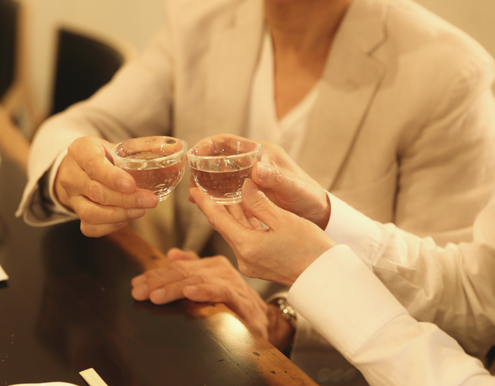
Traditionally, sake is served in small cups, shared with others and enjoyed alongside food. The drink itself is only one part of the experience. Equally important are the meal, the conversation and the people around the table. That does not mean sake is healthier than other alcoholic beverages. It is not. Like wine, beer or spirits, sake contains alcohol and should always be enjoyed responsibly.
What often makes sake feel different is the way people engage with it.
Spend an hour at a good sake tasting and something interesting usually happens. Before long, the conversation moves away from alcohol altogether. Instead, people begin discussing rice varieties, fermentation, regional styles or whether a particular sake changes character when served warm rather than chilled.
Curiosity replaces routine.
The same shift can be seen across today's food and beverage culture. Coffee drinkers ask about origin and processing methods. Cheese lovers discuss ageing and producers. Chocolate enthusiasts compare cacao percentages and terroir. Wine drinkers increasingly look beyond grape varieties to vineyards and winemakers. People are becoming just as interested in how something is made as they are in the finished product itself.
Sake fits naturally into that way of thinking.
Many Japanese breweries remain family owned businesses, some with histories stretching back hundreds of years. Most produce relatively small volumes compared with industrial beverage companies, relying on experience, careful craftsmanship and techniques refined over generations. Brewing premium sake is a slow process. Rice is polished, washed and steamed with great precision. Koji cultivation requires constant attention. Fermentation develops over weeks under carefully controlled conditions, with countless small decisions shaping the final character of the sake.
Understanding even a small part of that process often changes the way people experience what is in their glass. One of the most fascinating elements is koji, the mould that drives fermentation and has shaped Japanese food culture for centuries. If you would like to explore this remarkable ingredient in greater depth, you may also enjoy our article "Koji: The Invisible Foundation of Sake."
Instead of asking simply whether they like a sake, people begin asking why it tastes the way it does.
Food adds another dimension.
Although sake is closely associated with Japanese cuisine, its versatility extends far beyond it. Depending on the style, premium sake can pair beautifully with seafood, poultry, vegetables, creamy cheeses and many European dishes. This growing appreciation is also reflected in the restaurant industry, where an increasing number of sommeliers are rediscovering premium sake as one of the world's most versatile beverages for food pairing. For more on this development, read "Why More European Sommeliers Are Rediscovering Sake."
Rather than dominating a meal, sake often becomes part of the conversation around it.
That feels particularly relevant at a time when restaurants are placing greater emphasis on tasting menus, thoughtful pairings and memorable dining experiences.
Perhaps this is why sake resonates so naturally with today's changing drinking culture.
The principles commonly associated with mindful drinking, including slowing down, appreciating craftsmanship and making more intentional choices, have long been reflected in the way sake has traditionally been enjoyed.
The world around sake has changed considerably.
Sake itself has changed far less.
And perhaps that is exactly why so many people are beginning to discover it today.
About the Author
Dr. Bastian Schwithal is the founder of Go-Sake and has been introducing premium Japanese sake to consumers, restaurants and hospitality professionals across Europe since 2017. Through tastings, educational events and close collaborations with breweries throughout Japan, he explores the craftsmanship, culture and stories behind premium sake.
Further Reading
- Why More European Sommeliers Are Rediscovering Sake
- Koji: The Invisible Foundation of Sake
- How to Drink Sake: Why Most People Get It Wrong
- The Curious Story of Sake Brewers' Soft Hands
Author's Note
This article explores changing consumer behaviour and the cultural role of premium sake. It does not suggest that alcoholic beverages provide health benefits. Like all alcoholic drinks, sake should be consumed responsibly.
References
- International Wine and Spirits Research (IWSR). (2025). Inside the IWSR Global Trends Report: Key Drivers for Beverage Alcohol in 2025. London: IWSR Drinks Market Analysis.
- World Health Organization (WHO). (2024). Alcohol. Fact Sheet. Updated 28 June 2024. Geneva: World Health Organization.
- Japan Sake and Shochu Makers Association (JSS). Discover Sake. Tokyo: Japan Sake and Shochu Makers Association.
- National Tax Agency of Japan. (2024). Traditional Knowledge and Skills of Sake Making with Koji Mold. Tokyo: National Tax Agency.
- UNESCO. (2024). Traditional Knowledge and Skills of Sake Making with Koji Mold in Japan. Representative List of the Intangible Cultural Heritage of Humanity.