
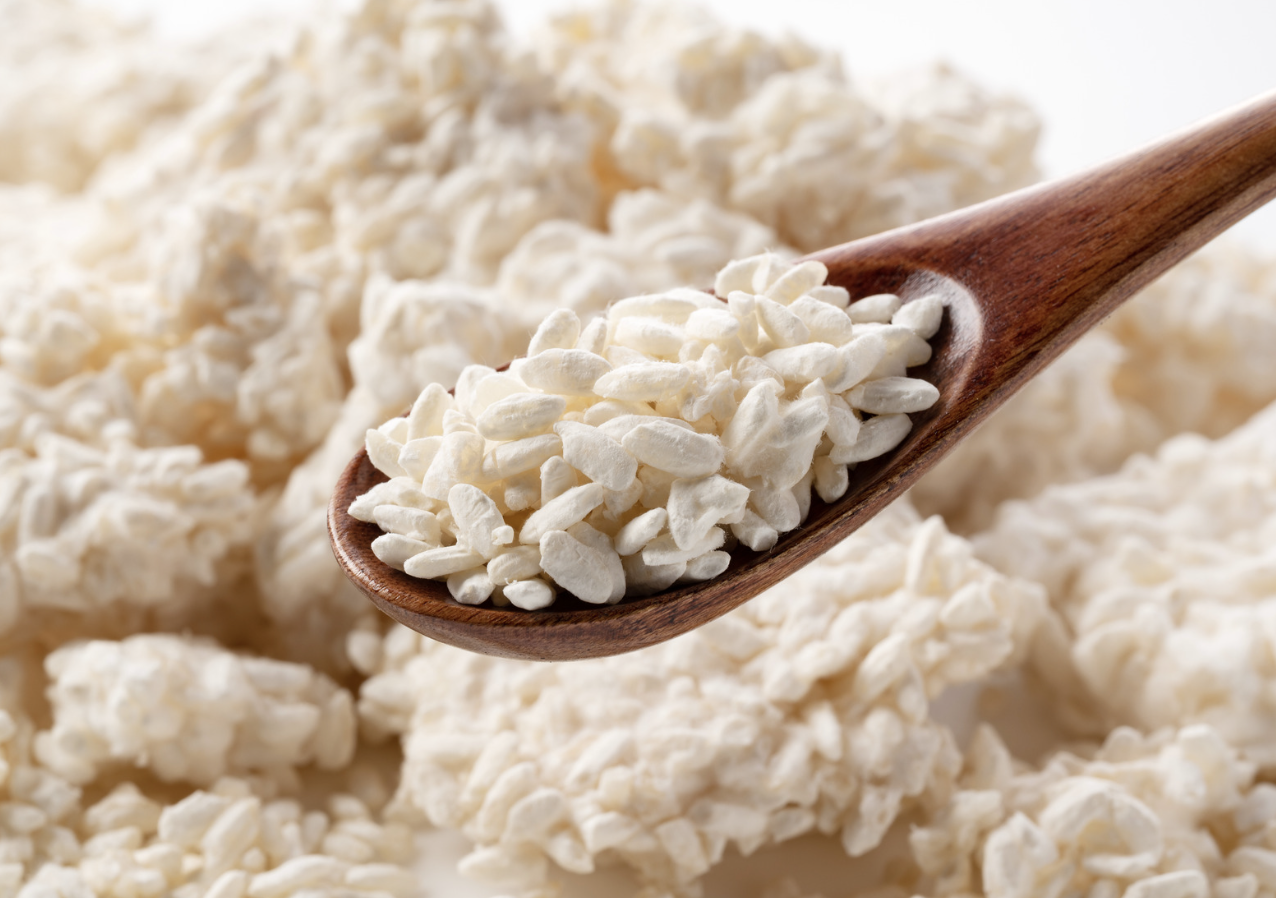
Some sake brewery workers are said to have remarkably soft hands despite years of physically demanding work. While no scientific study has confirmed the observation, research into amazake, sake lees and other fermentation-derived ingredients offers an interesting scientific backdrop to one of the more curious stories associated with Japanese sake brewing.
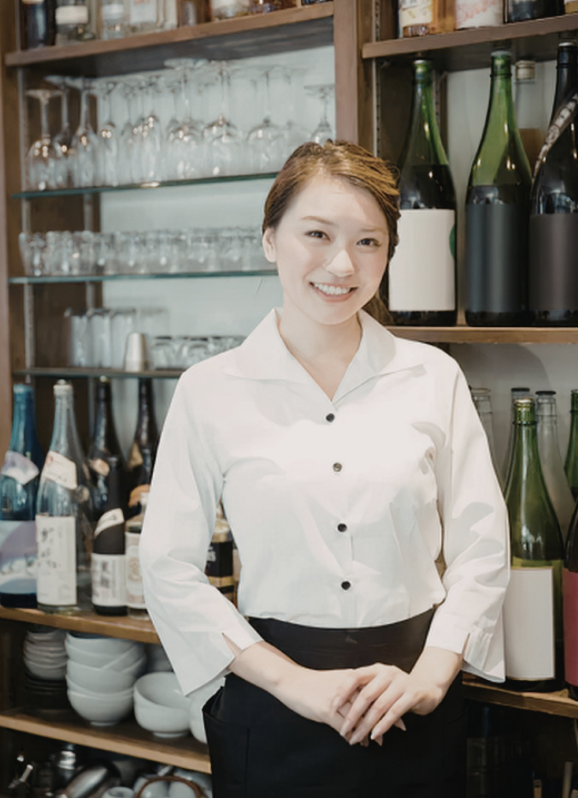
For generations, wine has been the defining beverage of fine dining in Europe. Today, a growing number of sommeliers are also turning their attention to sake, drawn by its versatility, subtle complexity, and ability to create distinctive food pairings.
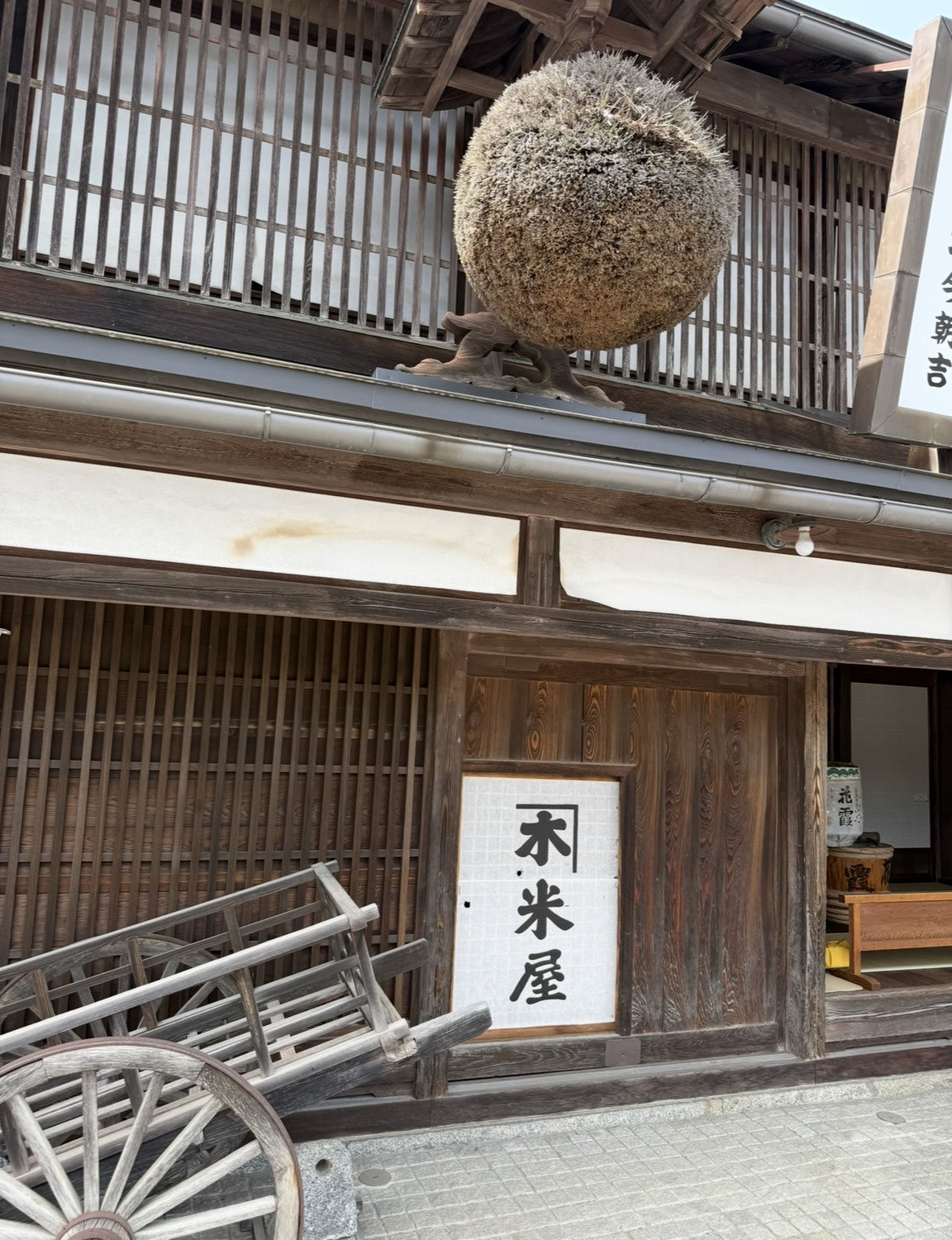
We expected a small cultural stop during our visit to Fukushima.
We did not expect to discover how a sake-brewing family became part of the story of one of Japan’s early female pioneers of Western-style painting. Born Chieko Naganuma in 1886, Chieko grew up in a prosperous sake-brewing family whose regional sake, Hanakasumi (“Flower Mist”), was known in the area.

Koji is one of those things almost everyone has heard of, but very few truly understand. Anyone who spends time around sake will eventually come across the term.
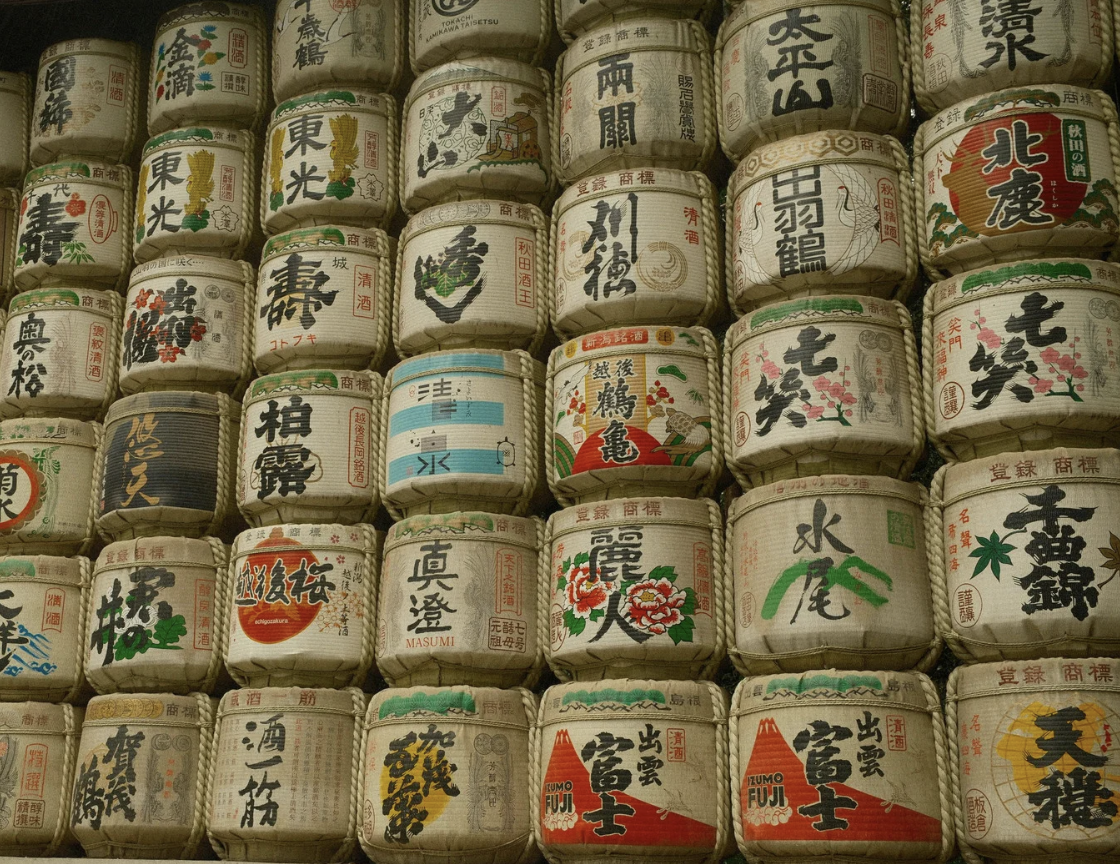
From temperature to glassware, most assumptions about sake are misleading. Not because people don’t care, but because the context has been wrong from the start.

Export volumes are rising significantly, yet the development of sake across Europe follows no single pattern. And that is precisely its strength.
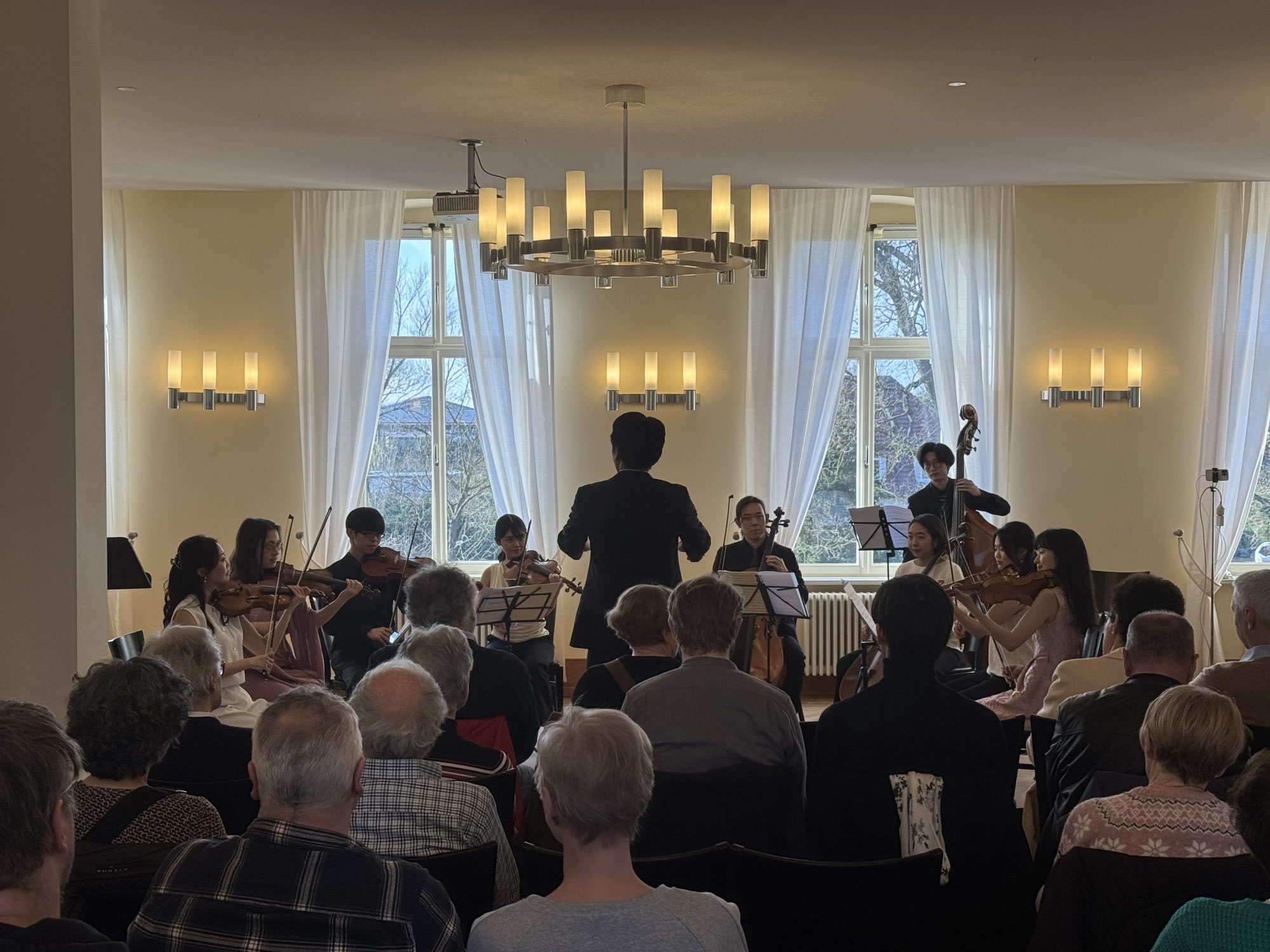
Das erste Japanische Kulturfestival auf Schloss Ribbeck widmete sich verschiedenen Aspekten japanischer Kultur.
Das Programm umfasste unter anderem Sake-Tastings, eine Teezeremonie, ein Konzert sowie Vorführungen und musikalische Beiträge. Die Veranstaltungen fanden in unterschiedlichen Räumen des Schlosses statt und boten Einblicke in traditionelle und zeitgenössische Ausdrucksformen.
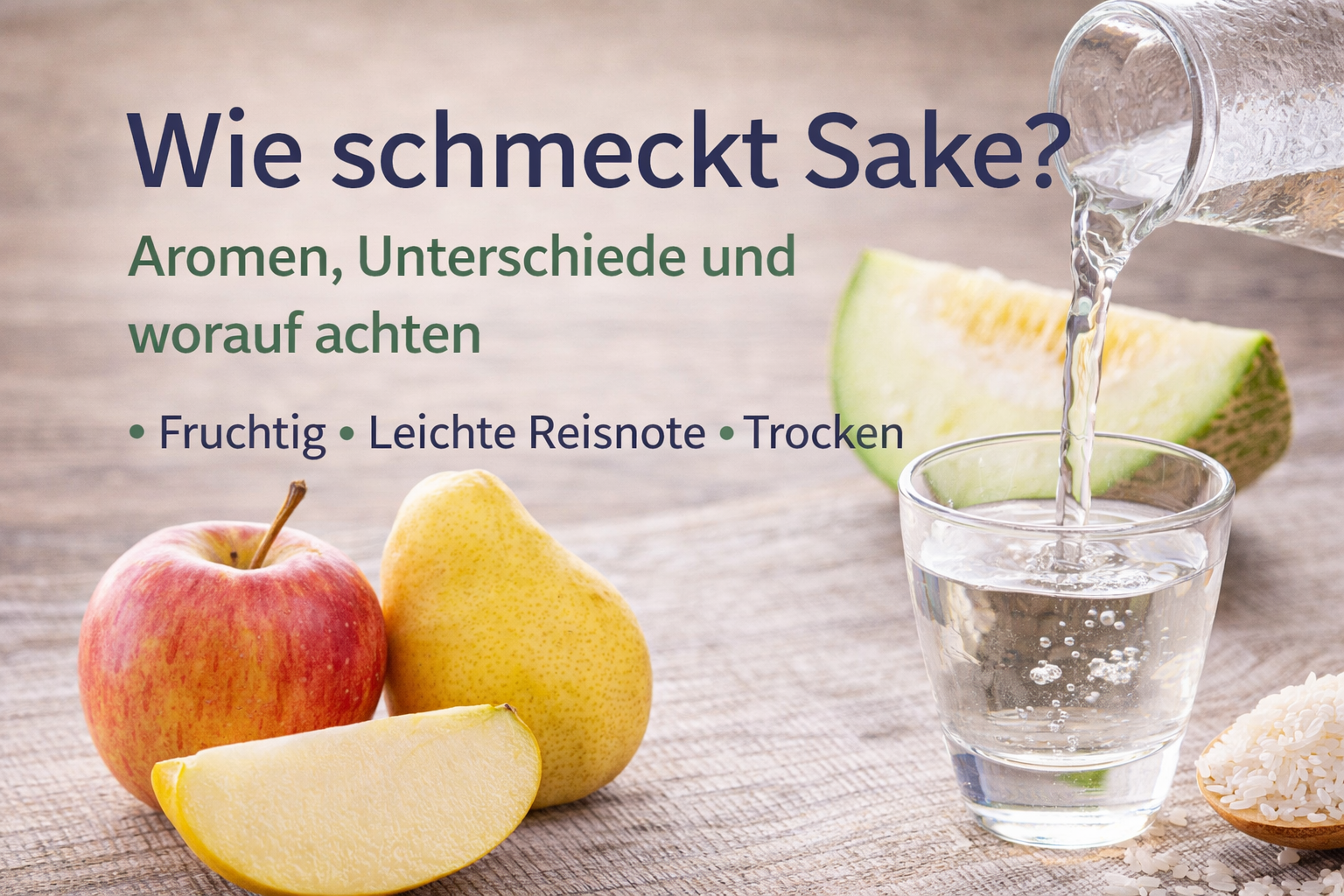
Sake ist für viele ein unbekanntes Getränk und genau deshalb stellt sich oft zuerst eine Frage: Wie schmeckt Sake eigentlich?
Die kurze Antwort: ganz unter-schiedlich. Je nach Stil kann Sake fruchtig, trocken, cremig oder sogar leicht umami-betont sein.
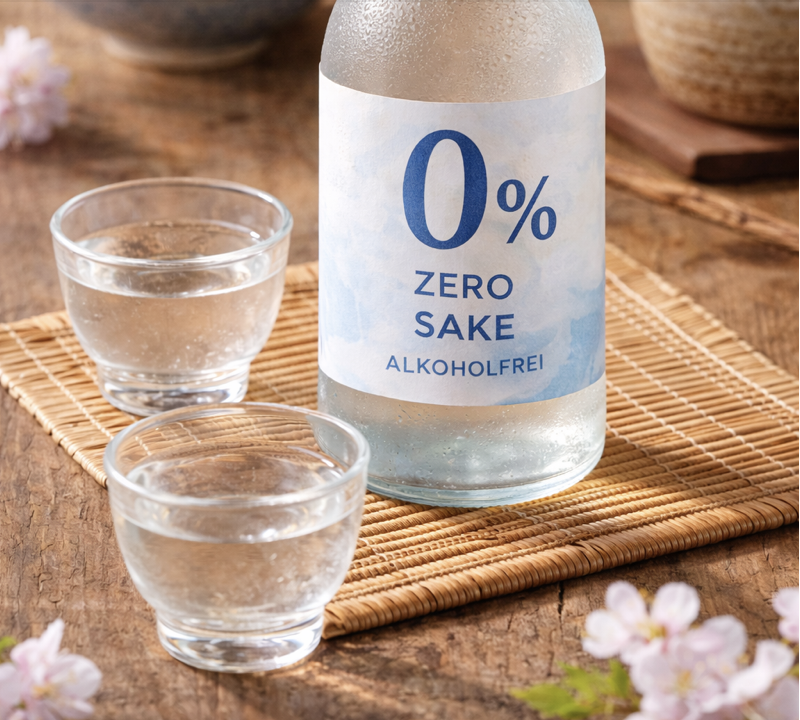
In den letzten Jahren hat sich neben dem klassischen Sake eine neue Kategorie entwickelt, die zunehmend Aufmerksamkeit erhält: alkoholfreier Sake. Besonders für gesundheitsbewusste Menschen und alle, die bewusst auf Alkohol verzichten möchten, bietet er eine spannende Alternative. Doch was genau steckt hinter diesem Begriff und wie nah kommt diese moderne Interpretation geschmacklich und kulturell an das Original heran?

Sake in 2026 is evolving from a traditional Japanese beverage into a dynamic global craft category. Breweries are increasingly focusing on terroir and rice origin, while a new generation of brewers is driving experimentation and innovation. Premiumization continues to accelerate, with high-end and limited-edition sake gaining international recognition. At the same time, lighter styles, sparkling sake, and cocktail applications are expanding how and where sake is consumed.